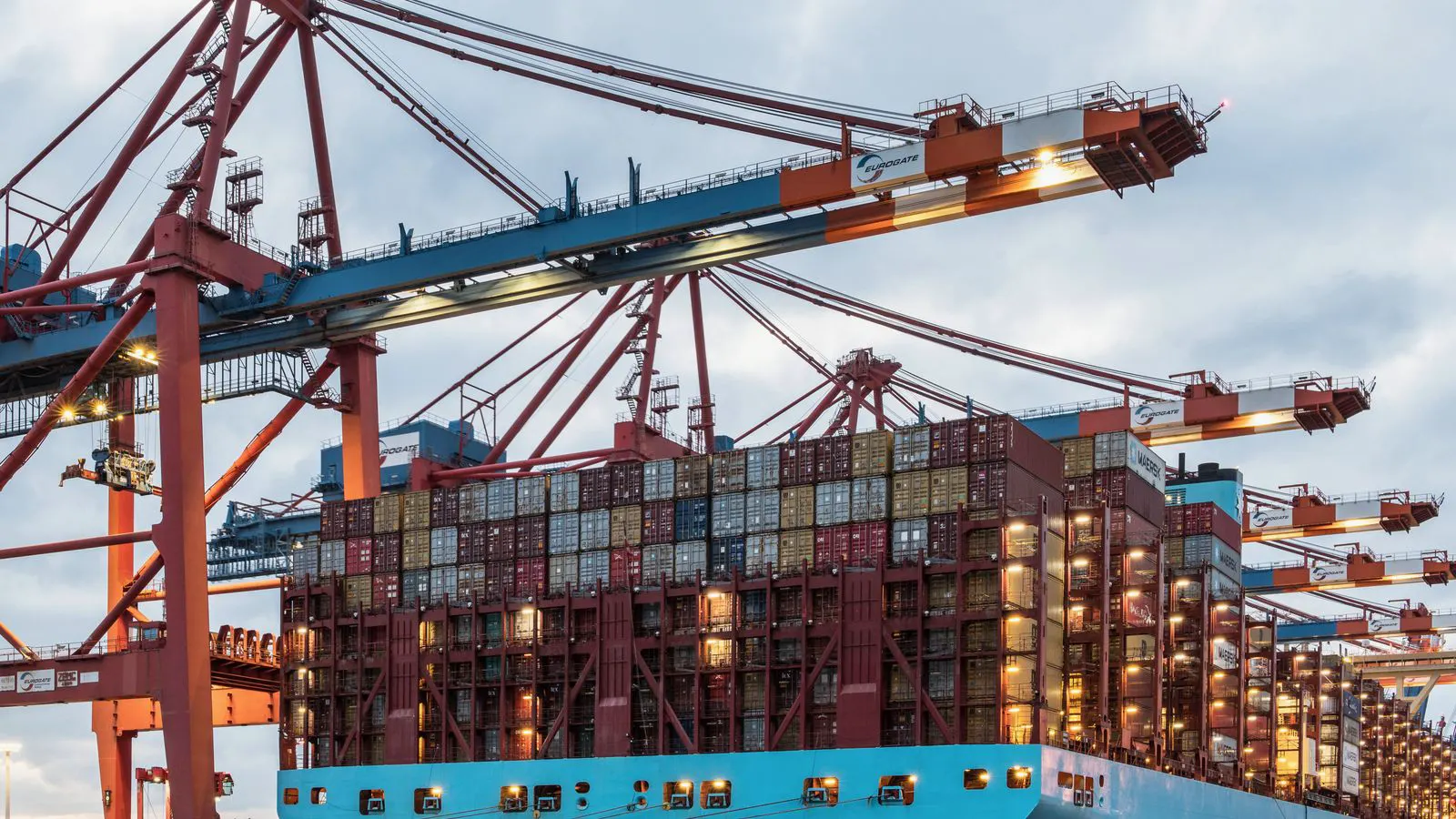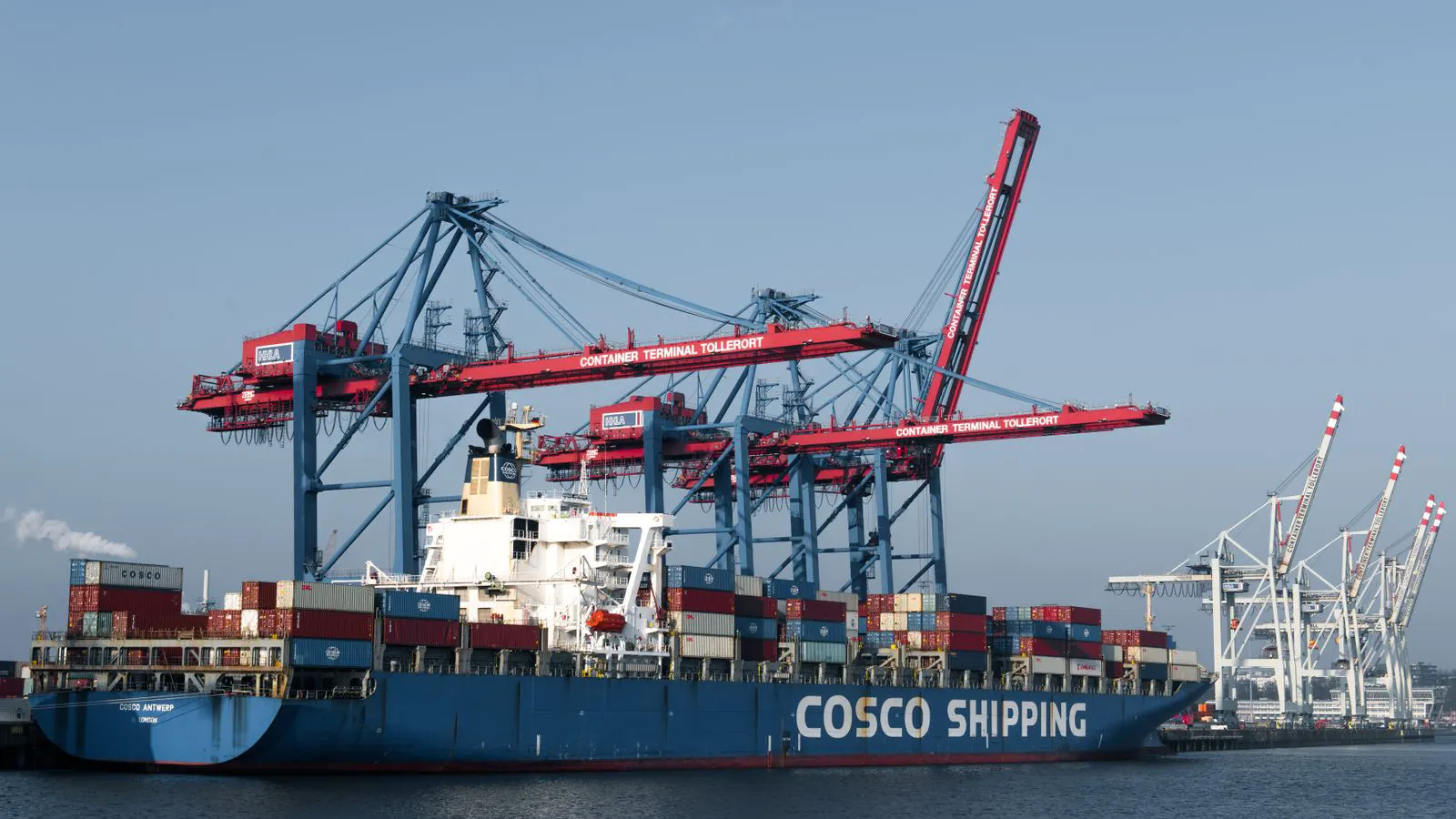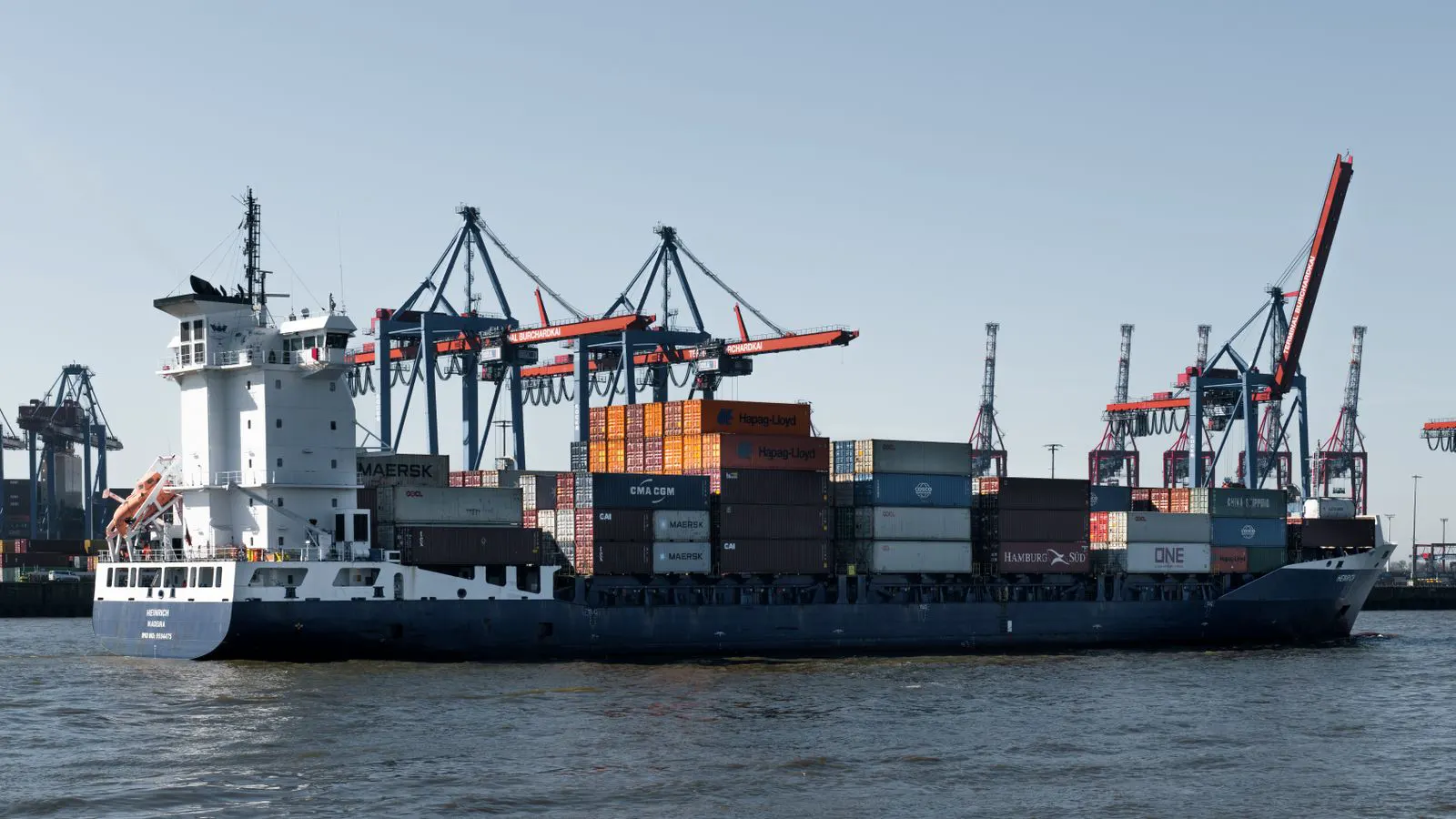
FOB places risk on the buyer once resin leaves the port, while CIF includes freight and insurance to the destination. The right choice depends on who controls shipping, who bears cargo risk, and how much paperwork your team can handle during resin procurement.
- FOB shifts cargo risk to the buyer at the origin port, giving the buyer control over carrier selection but requiring them to manage the entire transport leg.
- CIF covers freight and insurance to the destination port, simplifying logistics for the buyer but placing the risk of loss on the seller until delivery.
- The choice between these trade terms affects who handles customs clearance, who pays for demurrage if vessels sit idle, and who files cargo claims.
- Buyers with in-house logistics teams often prefer FOB to control costs, while buyers lacking dedicated shipping staff may prefer CIF to reduce coordination overhead.
- Always confirm the Incoterms version in your contract, because rules have changed across editions and ambiguity can lead to costly disputes.
Why trade terms matter in resin imports
The first line of a resin purchase order often determines who absorbs the cost of a late vessel or a damaged pallet of polymer. Incoterms resin rules define the split of responsibility between the seller and the buyer. They do not set the price. They define who pays for freight, who arranges insurance, and where risk transfers.
For polymer imports, the difference between FOB and CIF can change the effective cost of the material. Freight rates fluctuate based on fuel costs, container availability, and port congestion. Insurance premiums rise with cargo value and route risk. If the contract does not clearly state the trade term, both parties may assume the other is handling a specific task. The result is usually a dispute over who pays for demurrage at the port or who files the claim with the insurer.
The two most common terms in this space are FOB and CIF. They are not the only options, but they cover the majority of polymer trade. Other terms like EXW or DDP exist, but they shift the burden differently. This article compares FOB and CIF, looks at two less common alternatives, and explains how to choose based on your procurement structure.
How FOB works in practice
FOB stands for Free on Board. Under this term, the seller delivers the resin to the vessel at the named port of shipment. The moment the material is loaded onto the ship, the buyer takes ownership of the cargo risk. The seller is responsible for getting the goods to the port, clearing them for export, and loading them onto the carrier.
The buyer handles everything after that. They book the shipping space, choose the carrier, arrange marine insurance, and manage the entire journey to the destination. They also handle import customs clearance. This gives the buyer significant control over the logistics chain. If the buyer has a dedicated logistics team, they can select a carrier that offers better service levels or negotiate better rates.
This control comes with a workload. The buyer must monitor the vessel status daily. A delay at the origin port due to a documentation error falls on the buyer to resolve. If the container is damaged in transit, the buyer files the claim. The insurance policy must be in the buyer’s name, and the claim process can take weeks.
How CIF works in practice
CIF stands for Cost, Insurance, and Freight. Under this term, the seller handles everything the buyer does under FOB, plus they pay for the freight and the insurance to the destination port. The risk transfers to the buyer once the goods are loaded onto the vessel at the origin port, but the seller has already secured the transport and the coverage.
The buyer receives the resin at the destination port. They are responsible for import customs clearance and inland transport from the port to their facility. The seller provides the bill of lading and the insurance certificate. If the cargo is damaged in transit, the buyer files the claim using the insurance policy arranged by the seller.
This term reduces the coordination burden on the buyer. They do not need to book shipping or arrange insurance. They simply receive the goods at the destination port. However, they have less control over the carrier and the route. If the seller chooses a carrier with slower service, the buyer absorbs the delay. If the seller chooses a route with higher risk, the insurance premium may be higher, but that cost is baked into the CIF price.
Comparing FOB and CIF for resin procurement
The table below summarizes the key differences between the two main terms and two alternatives.
| Option | Best for | Limitations |
|---|---|---|
| FOB (Free on Board) | Buyers with in-house logistics teams who want control over carrier selection and insurance. | Buyer handles all transport risk, customs, and claim filing. Buyer bears demurrage costs if the vessel is delayed. |
| CIF (Cost, Insurance, Freight) | Buyers without dedicated shipping staff who want a single point of contact for the main transport leg. | Buyer has no control over carrier or route. Risk transfers at origin port, but seller pays insurance. |
| EXW (Ex Works) | Buyers who want to manage the entire pickup and transport from the seller’s facility. | Buyer handles export customs clearance. Buyer is responsible for loading the material onto the truck. |
| DDP (Delivered Duty Paid) | Buyers who want the seller to handle everything up to the buyer’s door, including import duties. | Seller handles import customs. Buyer has no control over the final delivery. Seller must be familiar with local import rules. |
When to pick FOB
Choose FOB when your company has a logistics team that can manage international freight. This is common for large polymer processors that import multiple resins from different regions. They often have contracts with freight forwarders and can negotiate better rates by consolidating shipments.
FOB also works well when you want to insure the cargo at a specific value. Under CIF, the seller arranges insurance, but they may insure the goods at a lower value than you need. If your resin batch is part of a large contract or has a high value per kilogram, you want full coverage. FOB lets you buy a policy that matches your exact risk profile.
The main drawback is the workload. If your team is small, managing the booking, insurance, and customs for every shipment can be a drain on resources. A single mistake in the bill of lading can delay the entire shipment. You need clear communication between your procurement team and your freight forwarder.
When to pick CIF
Choose CIF when you want to simplify the process. If your company does not have a dedicated logistics department, CIF reduces the number of moving parts. The seller handles the shipping and insurance. You just receive the goods at the destination port.
CIF is also useful when you do not want to manage the insurance claim process. If the cargo is damaged, the seller has already arranged the policy. While you still file the claim, the paperwork is often easier because the seller has already identified the carrier and the route.
The limitation is control. You do not get to choose the carrier. You do not get to choose the route. If the seller picks a cheap carrier that takes a longer route, your delivery date may slip. You also do not know the exact insurance coverage until the seller provides the certificate. If the coverage is insufficient, you may be out of pocket for the loss.
How to verify the terms in your contract
Always check the Incoterms version in the contract. The rules changed between editions, and the differences can be significant. For example, the rules for who pays for the port charges at the destination have shifted over time. If your contract just says “FOB” without the year, there is room for interpretation.
Confirm who handles the export customs clearance. Under FOB, the seller handles export clearance. Under CIF, the seller also handles export clearance. But under EXW, the buyer handles both export and import clearance. This is a common point of confusion. If the buyer is not familiar with the origin country’s export rules, they may face delays.
Also check who pays for the port charges at the destination. Under CIF, the seller pays for the freight to the destination port, but the buyer usually pays for the terminal handling charges at the destination. These costs can add up if the vessel stays at the port for several days.
Managing risk and documentation
The documents you receive matter as much as the trade term itself. Under FOB, you receive the bill of lading from the seller, but you must ensure it is in your name or endorsed to you. If the bill of lading is in the seller’s name, you cannot take possession of the cargo at the destination port. This is a common mistake that leads to demurrage.
Under CIF, the seller provides the bill of lading and the insurance certificate. You should verify that the insurance policy covers the full value of the goods and that the policy is assignable to you. If the policy is not assignable, you may not be able to file a claim if the cargo is damaged.
Keep a copy of all documents. If there is a dispute, the documents are your proof. The bill of lading, the commercial invoice, the packing list, and the insurance certificate all need to match. A discrepancy in the weight or the description of the goods can delay customs clearance.
Practical checks before you sign
Before you finalize the contract, run through these checks. First, confirm the Incoterms version. If it is not stated, ask for it. Second, confirm who pays for the port charges at the destination. Third, confirm who arranges the insurance and what level of coverage is included.
If you are using FOB, make sure your freight forwarder is ready to take over the booking. If you are using CIF, make sure the seller has a reliable carrier in place. If the seller is a small trader, they may not have the same negotiating power with carriers as a large manufacturer. This can affect the service level.
Finally, agree on a communication channel. If a delay occurs, who contacts the carrier? Who files the claim? Who pays for the additional storage? The trade term defines the cost, but the contract should define the process.
Conclusion for resin buyers
The choice between FOB and CIF is not about which one is better. It is about which one fits your company’s structure. If you have a logistics team, FOB gives you control. If you do not, CIF reduces the burden. The key is to be clear in the contract about who does what.
Do not assume the seller knows what you need. Do not assume the buyer knows what the seller will do. Write it down. A clear contract prevents most of the disputes that come up in resin imports. The cost of a clear contract is low. The cost of a dispute is high.
Frequently asked questions
Who bears the risk of loss under FOB?
The buyer bears the risk of loss once the resin is loaded onto the vessel at the origin port. The seller is responsible for getting the goods to the vessel.
Who bears the risk of loss under CIF?
The buyer bears the risk of loss once the resin is loaded onto the vessel at the origin port. The seller pays for the freight and insurance, but the risk transfers to the buyer at the origin.
Can I use EXW for resin imports?
Yes, but it shifts more responsibility to the buyer. You handle the pickup from the seller's facility and export customs clearance. It is less common for polymer imports than FOB or CIF.
What is the difference between CIF and CIP?
CIF is for sea or inland waterway transport. CIP is for any mode of transport, including air, rail, or road. CIP includes insurance and freight to the named destination.
How do I handle a claim if the resin is damaged in transit under FOB?
You file the claim with the insurer. You need the insurance certificate, the bill of lading, and the packing list. The claim process can take several weeks, so it is important to have the documents ready.