Choose low-cost resin vendors by balancing price with quality and reliability. This guide details supplier evaluation criteria, risk checks, and logistics factors to secure stable resin inventory without compromising production.
- Price alone determines nothing; verify resin grade consistency before locking in a long-term contract.
- Evaluate supplier evaluation metrics like lead time, documentation accuracy, and payment terms to reduce hidden costs.
- Use resin sourcing strategies that diversify suppliers to protect inventory from single-point failures.
- Match logistics terms, such as Incoterms, to your actual inbound and storage capabilities.
- Maintain a decision checklist that verifies quality, cost, and risk before signing any purchase order.
How to Define Low-Cost in Resin Sourcing
Low cost is not simply the lowest price per ton. It is the total cost of ownership. A vendor offering a discount that requires frequent rework, extra freight, or quality hold-ups adds expense that erodes the margin. Start by calculating your internal cost of poor material. This includes the cost of rejected batches, lost machine time, and the administrative burden of disputes.
In many factories, the true cost of a defective resin lot is hidden in the operations floor. If a shipment of polypropylene arrives with a moisture content above the recommended drying threshold, the extrusion line may produce parts with surface defects, such as fisheyes or delamination. The material might still pass a visual check at the gate, but it will fail during assembly or in the customer’s hands.
To quantify this, track the cost of a single production stoppage. Include the labor required to clean the die, the time needed to dry the material, and the value of the finished goods that were scrapped. Compare this figure against the savings from a cheaper bag of resin. Often, the savings from a lower purchase price are negligible compared to the cost of downtime.
When you define low cost, include the price of the resin itself. Add freight, insurance, duty, and storage. Then add the cost of quality control. If a supplier sends a shipment with a moisture content that causes your extrusion line to stop, the cost of that delay usually exceeds the savings from a slightly cheaper bag.
Consider the logistics of receiving materials. A vendor located far from your plant may quote a low ex-works price, but the transport costs and handling fees can offset that discount. If the vendor requires you to use a specific freight forwarder, you lose control over the routing and handling of the cargo. This lack of control increases the risk of damage or delay, which further inflates the total cost.
What Criteria Matter Most in Supplier Evaluation
Supplier evaluation requires looking beyond the quote sheet. You need a structured approach that measures reliability, communication, and technical support. A vendor that responds to a spec deviation within hours is worth more than one that responds in days, even if the latter offers a lower unit price.
The table below lists the core criteria for choosing a vendor. Use this as a baseline for scoring potential suppliers.
| Criterion | What to look for | Why it matters |
|---|---|---|
| Price Stability | Long-term price bands or index-linked contracts | Protects your margin from sudden market spikes |
| Quality Consistency | Batch-to-batch lab reports and MFI data | Prevents production stops and product defects |
| Lead Time Accuracy | Historical on-time delivery rate | Ensures your resin inventory levels stay aligned |
| Documentation | Accurate CoA and shipping documents | Speeds up customs clearance and warehouse intake |
| Technical Support | Ability to troubleshoot processing issues | Reduces downtime when material behaves unexpectedly |
Do not treat these as a checklist of “yes” or “no.” Score each vendor against your specific production needs. A vendor who is perfect on price but weak on documentation will slow your inbound process. A vendor who is expensive but provides precise MFI data may save you more in the long run.
Technical support is a differentiator that many buyers underestimate. When you encounter a processing anomaly, such as poor flow or unexpected shrinkage, you need a partner who can provide data, not just apologies. Ask for their recent technical service records. Can they share case studies where they resolved a specific issue for another customer? If they cannot provide concrete examples of problem-solving, their support capability is likely limited to basic order processing.
Quality consistency is not just about the average properties of the material. It is about the variance. A resin grade with a low average MFI but a wide standard deviation can cause problems in high-speed injection molding. The machine may struggle to maintain constant part dimensions. Ask for batch-to-batch MFI data over a full year. Look for trends. If the data shows a drift over time, you may be dealing with a supplier who is not tightly controlling their compounding or blending processes.
Lead time accuracy is a measure of reliability. A supplier who promises a two-week lead time but consistently delivers in three weeks creates a gap in your inventory planning. This forces you to hold higher safety stock, which ties up capital and increases the risk of material degradation during storage. Review their historical delivery performance. Ask for data on their on-time delivery rate over the last four quarters. If they do not track this metric, it indicates a lack of operational discipline.
How Logistics Terms Affect Your Total Cost
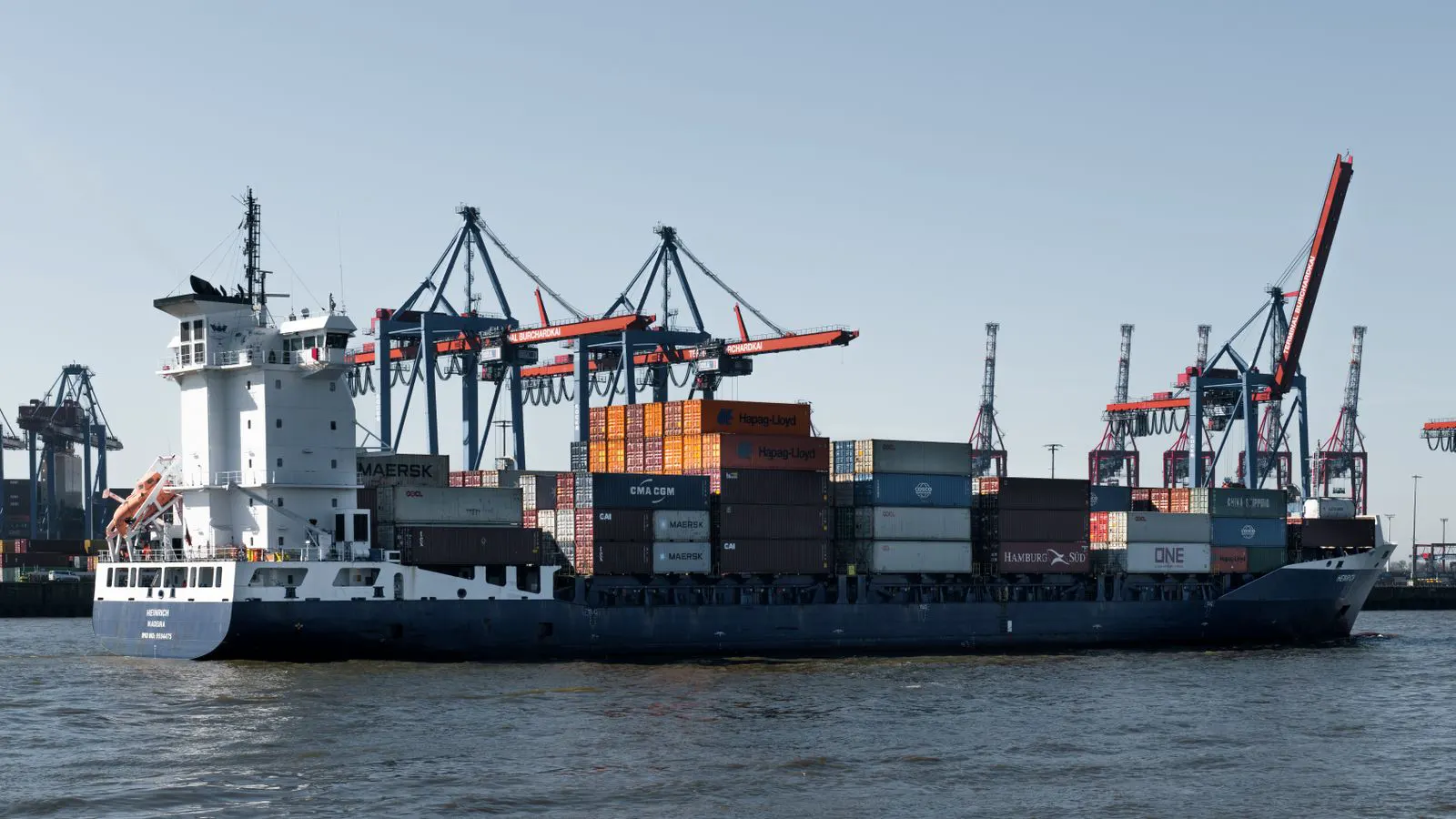
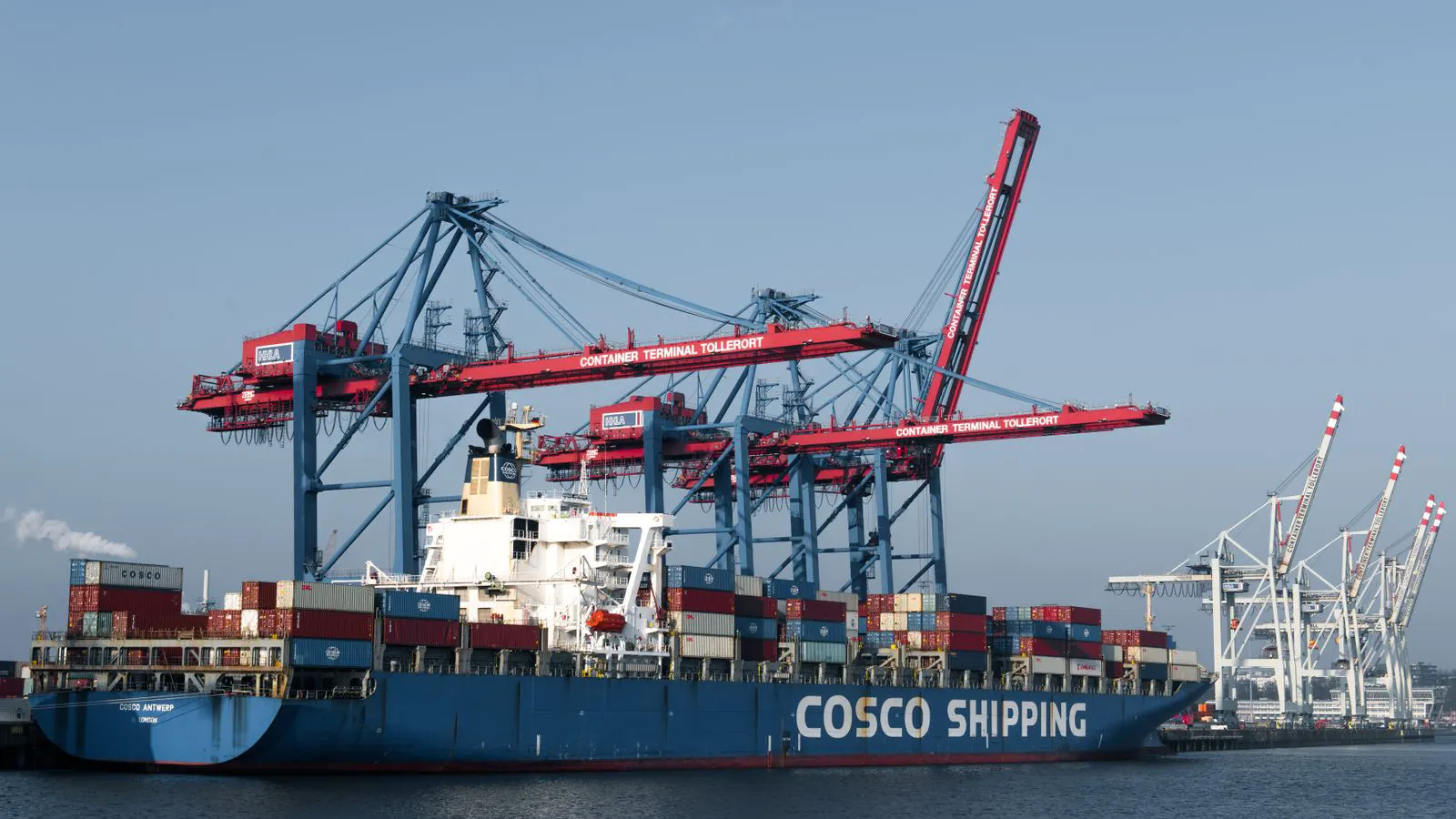
The Incoterm you select shapes your risk and your cash flow. A vendor in a distant port may offer a lower ex-works price, but the FOB or CIF terms change who bears the risk of loss and damage during transit. If you choose a term that places the freight risk on your company, you must ensure your insurance covers the full value of the cargo.
International shipping adds variables to your cost. A delay of one week can force you to run your line at a lower speed or shut it down. This impacts your resin inventory levels and forces you to buy emergency stock at higher prices. Always ask the supplier about their standard lead time for international shipments. Compare this against your internal safety stock. If the gap is too large, the low price is not low enough to justify the risk.
Choose your Incoterm based on your control and risk tolerance. Ex-works (EXW) gives you maximum control but also maximum responsibility. You must arrange the pickup, the export clearance, and the international freight. This is suitable if you have a strong logistics team and want to optimize routing. Free on Board (FOB) transfers the risk once the cargo is loaded onto the vessel. This is a common choice for international trade. It simplifies your responsibilities while giving you control over the main leg of the journey.
Consider the documentation requirements for each term. Under EXW, you are responsible for all export paperwork. If a document is missing or incorrect, the shipment can be held at the port. This delay can be costly. Under CIF (Cost, Insurance, and Freight), the seller handles the freight and insurance to the destination port. However, you are still responsible for import clearance. If you are in a region with complex customs regulations, the burden of import documentation can be significant. Ensure your customs broker is aligned with the terms you choose.
Also, evaluate the mode of transport. Sea freight is cheaper but slower. Air freight is expensive but fast. If your production line is running at full capacity and you have no buffer stock, sea freight may not be viable. In such cases, the higher cost of air freight may be justified by the need to avoid a production stoppage. Always calculate the total landed cost, including the cost of capital tied up in inventory during the transit period.
Managing Resin Inventory with Multiple Vendors
Relying on a single supplier for a critical resin grade creates a vulnerability. If that supplier faces a machine failure or a port strike, your production stops. A diversified sourcing strategy protects your supply chain. You can use a primary vendor for 70% of your volume and a secondary vendor for 30%. This keeps your secondary supplier engaged and maintains a competitive pressure on the primary vendor.
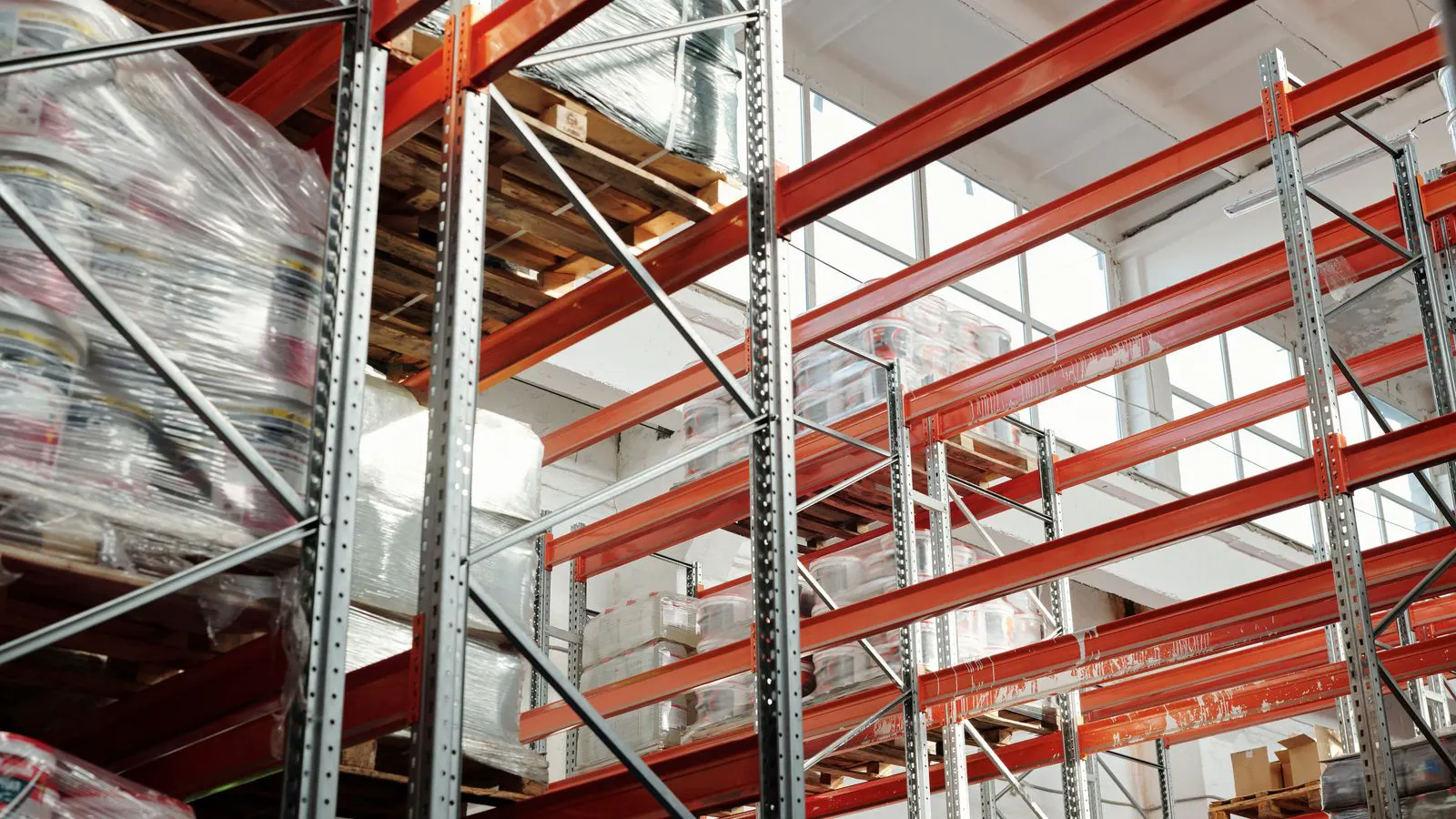
When you use multiple vendors, your resin inventory management becomes more complex. You must track which batches come from which source. Some grades are interchangeable, while others are not. If you blend resins from different vendors, you risk quality inconsistency. Keep separate stock for grades that cannot be blended. This ensures that if one vendor fails, you can switch to another without contaminating your current production run.
Establish clear specifications for each vendor. Do not assume that a secondary vendor can produce an exact duplicate of your primary vendor’s material. Even if the chemical composition is similar, the additives, fillers, or processing aids may differ. These differences can affect the flow behavior of the resin. Run a pilot batch from the secondary vendor before committing to large volumes. Compare the processing parameters and the final part quality against your current production baseline.
Inventory labeling is critical in a multi-vendor setup. Use distinct labels or color codes for each supplier’s material. This prevents accidental cross-contamination. If you have a digital inventory system, ensure that each lot is tagged with the supplier’s name and batch number. This allows you to trace any quality issue back to the source. If a defect is found in a finished product, you can quickly identify which batch was used and notify the correct supplier.
Maintain a relationship with your secondary vendor. Do not just call them when you are in a crisis. Send them regular updates on your production needs. Ask for their technical input. This builds a working relationship that allows for faster response times when you need to switch volumes. A secondary vendor who understands your process will be more effective in a crisis than one who is unfamiliar with your requirements.
Reducing Risks in Global Resin Sourcing
Global sourcing exposes you to currency fluctuation and geopolitical risk. A supplier in a region with high political instability may offer attractive prices. However, the risk of disruption can wipe out any savings. Always check the financial health of your suppliers. A vendor that is about to go bankrupt will not deliver your order, no matter how good the price was.
Use contract clauses to protect yourself. Include force majeure provisions that clearly define what constitutes a valid excuse for delay. Define the process for quality disputes. If a shipment fails your incoming inspection, you need a clear path to get a credit or replacement. Do not leave these details to verbal agreements. Put them in writing.
Currency fluctuation can significantly impact your costs. If you buy resins in a foreign currency and your local currency is unstable, your effective cost per ton can change rapidly. Consider hedging strategies or using contracts that are priced in a stable currency. You can also negotiate payment terms that align with your cash flow. If you are buying in USD and selling in EUR, a currency risk exists. Mitigate this by matching your revenue currency with your purchase currency where possible.
Geopolitical risk includes sanctions, trade restrictions, and export controls. Ensure that your suppliers are not subject to any restrictions that could affect your operations. Check the export license requirements for your specific resin grade. Some grades may require a license to be exported to certain countries. If a supplier does not have the necessary licenses, the shipment can be seized at the border. This is a total loss.
Financial health is a key indicator of supplier reliability. A supplier with high debt or volatile cash flow may cut corners on quality or reduce service levels to preserve margins. Look for signs of financial distress, such as delayed payments to third parties or a sudden change in management. You can also check industry reports or news sources for information on major players in the resin market. Avoid suppliers who are too eager to close a deal at any cost.
How to Negotiate Better Terms with Vendors
You cannot negotiate a better price if you do not have a benchmark. Keep a record of your purchase history. Know your average cost per ton over the last six months. Use this data to challenge quotes that seem high. You can also negotiate payment terms. Offering a 10-day payment window instead of 30 days may earn you a discount. Or, you can negotiate a volume commitment that locks in a price for a year.
Be careful with long-term contracts. They lock you in. If the market shifts, you may be stuck with a price that is no longer competitive. A shorter contract with a renewal option gives you more flexibility. You can review the vendor’s performance at the end of the term and decide whether to continue. This keeps the relationship accountable.
Prepare a negotiation strategy based on your value proposition. Do not just ask for a lower price. Discuss the total value you bring to the supplier. If you are a large customer with a stable demand, you can use that to get better terms. If you have a long-standing relationship, highlight that. If you are a new customer, offer a trial period or a smaller initial order to build trust.
Use data to support your position. If you have market data showing a price decline, use it to justify your request. If you have a competing offer, share it (without revealing the exact terms) to create competition. This signals that you are actively shopping and that the supplier needs to be competitive to keep your business.
Negotiate non-price terms as well. Payment terms, lead times, and quality guarantees are all negotiable. For example, if you cannot get a lower price, ask for a longer credit period or a free shipping allowance. These terms can improve your cash flow and reduce your operating costs. Always get the agreed terms in writing before you sign the purchase order.
A Practical Decision Checklist
Before you sign a purchase order, run through this checklist. It helps you make a final, objective decision.
- Verify the Grade: Confirm the resin grade matches your spec sheet exactly. Check the MFI, density, and color.
- Check the Lead Time: Ensure the supplier can deliver within your required timeframe. Ask for their last three delivery dates.
- Review the Documentation: Ask for a sample Certificate of Analysis. Check if it includes all the data points you need.
- Assess the Logistics: Confirm the Incoterm and the port of discharge. Calculate the total landed cost.
- Test the Communication: Send a non-critical question. Note how quickly and accurately they respond.
- Check the Financials: Look for any red flags in the vendor’s financial standing or market reputation.
- Finalize the Contract: Ensure all terms, including dispute resolution and quality specs, are in writing.
Use this checklist to compare at least two vendors. Do not choose the cheapest one. Choose the one that offers the best balance of price, quality, and reliability. Your production line depends on it.
Frequently asked questions
How often should I review my resin suppliers?
Review them quarterly. Market conditions change, and supplier performance can drift. A short review helps you catch issues before they become major problems.
What is the risk of buying from the cheapest vendor?
The main risk is quality inconsistency. Cheap resins may have higher variability in melt flow index or moisture. This can lead to machine jams and product defects.
How do I handle a supplier who is late on delivery?
First, communicate the impact on your production. Then, review the contract for remedies. If the delay is repeated, consider shifting volume to a backup supplier.
Can I mix resins from different vendors to save money?
Only if the grades are identical and you have verified consistency. Mixing can introduce defects. Always run a trial batch before committing to a mixed inventory.
What is the best way to protect against price spikes?
Use index-linked contracts or short-term contracts with renewal options. This allows you to adjust to market changes without being locked into a high price.